
Creating a neuro-inclusive workplace is not about adding extra support for a few people, it’s about creating a space and the culture where everyone can thrive.
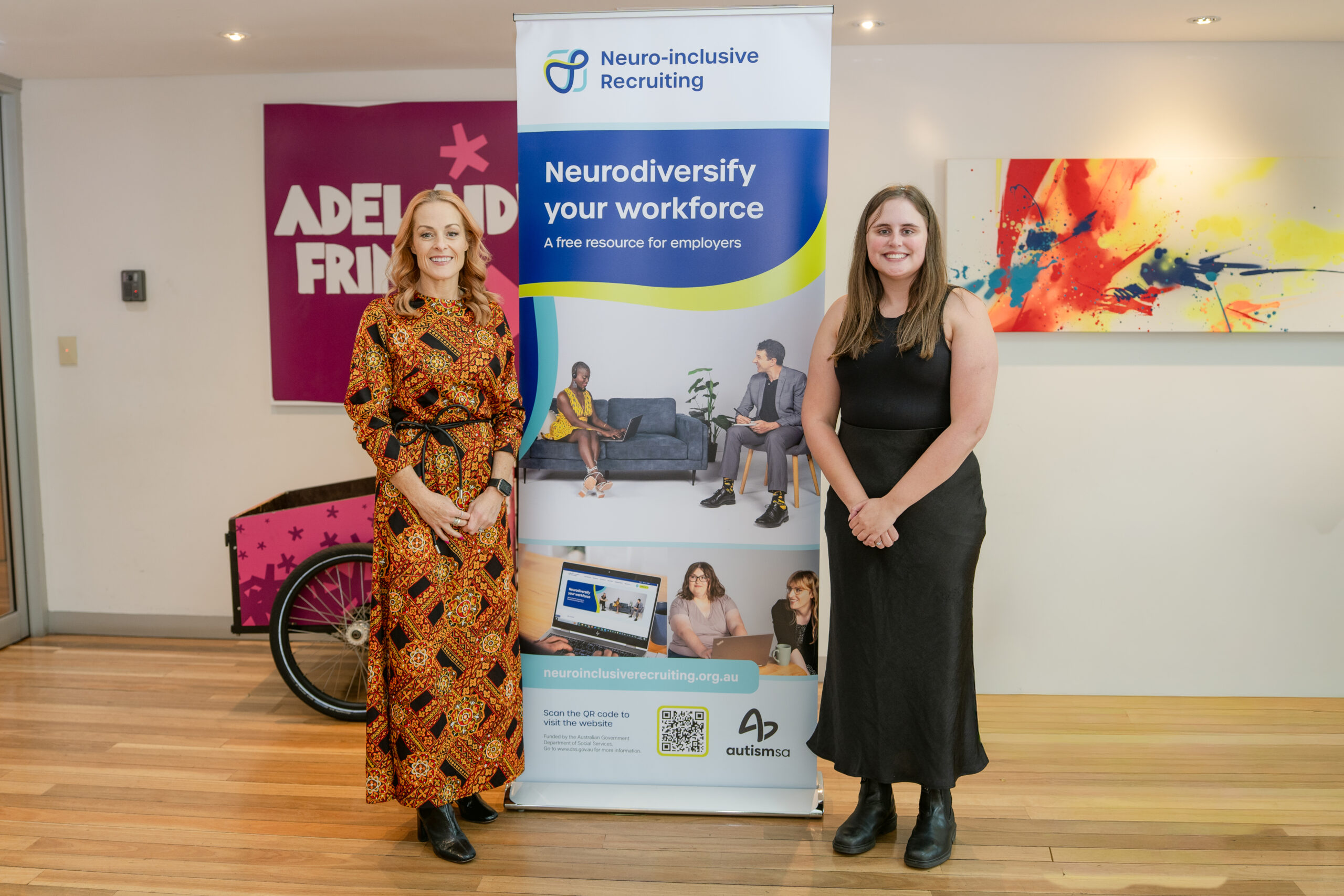
Adelaide Fringe is an annual arts festival in South Australia that runs each February and March. It
brings together thousands of artists from around the world, performing comedy, theatre, music, circus
and visual arts across venues throughout the city.
In this video, the Adelaide Fringe team shares how they are embedding neuro-inclusion across their
organisation. Their approach reflects a clear understanding that “bringing neurodivergent employees
into a workplace benefits absolutely everyone, including the organisation”, as shared by Audrey Menz
(HoneyPot and Artists & Venue Administrator).
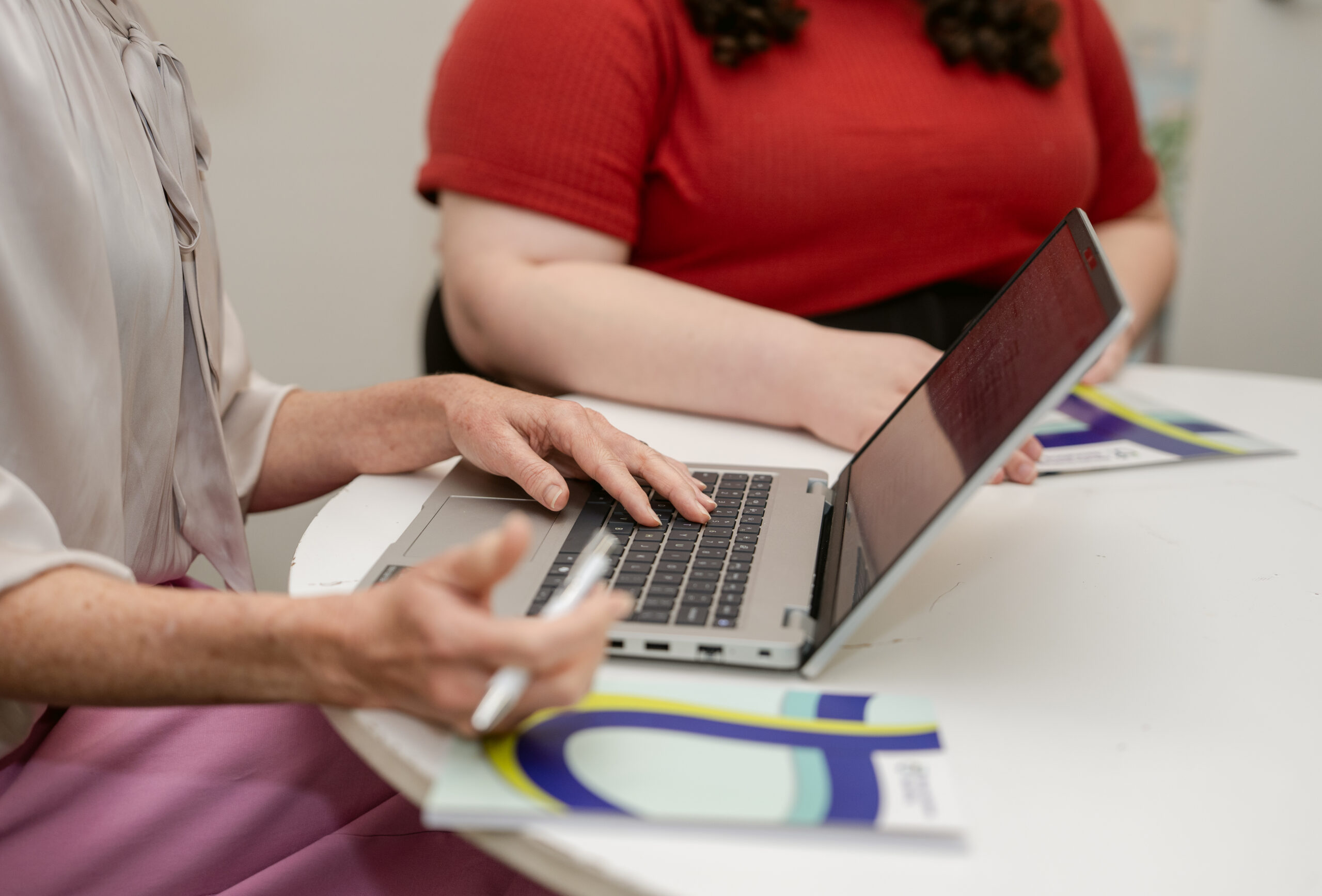
The team described how Neuro-inclusive Recruiting has created a shift in how they think about
recruitment, communication and workplace culture. Tools designed to support neuro-inclusion are being
used across the organisation, with Tara McLeod (Acting CEO) noting that “this tool has helped not only
the HR team in recruitment but all areas of the organisation”.
At Adelaide Fringe there is a strong focus on recognising the strengths of neurodiversity. Audrey
reflects on her own experience, sharing that “I think alot of those neurodivergent qualities I have are
real strengths in the workplace”. This perspective reinforces the value of creating workplaces where
people can contribute in ways that work best for them.
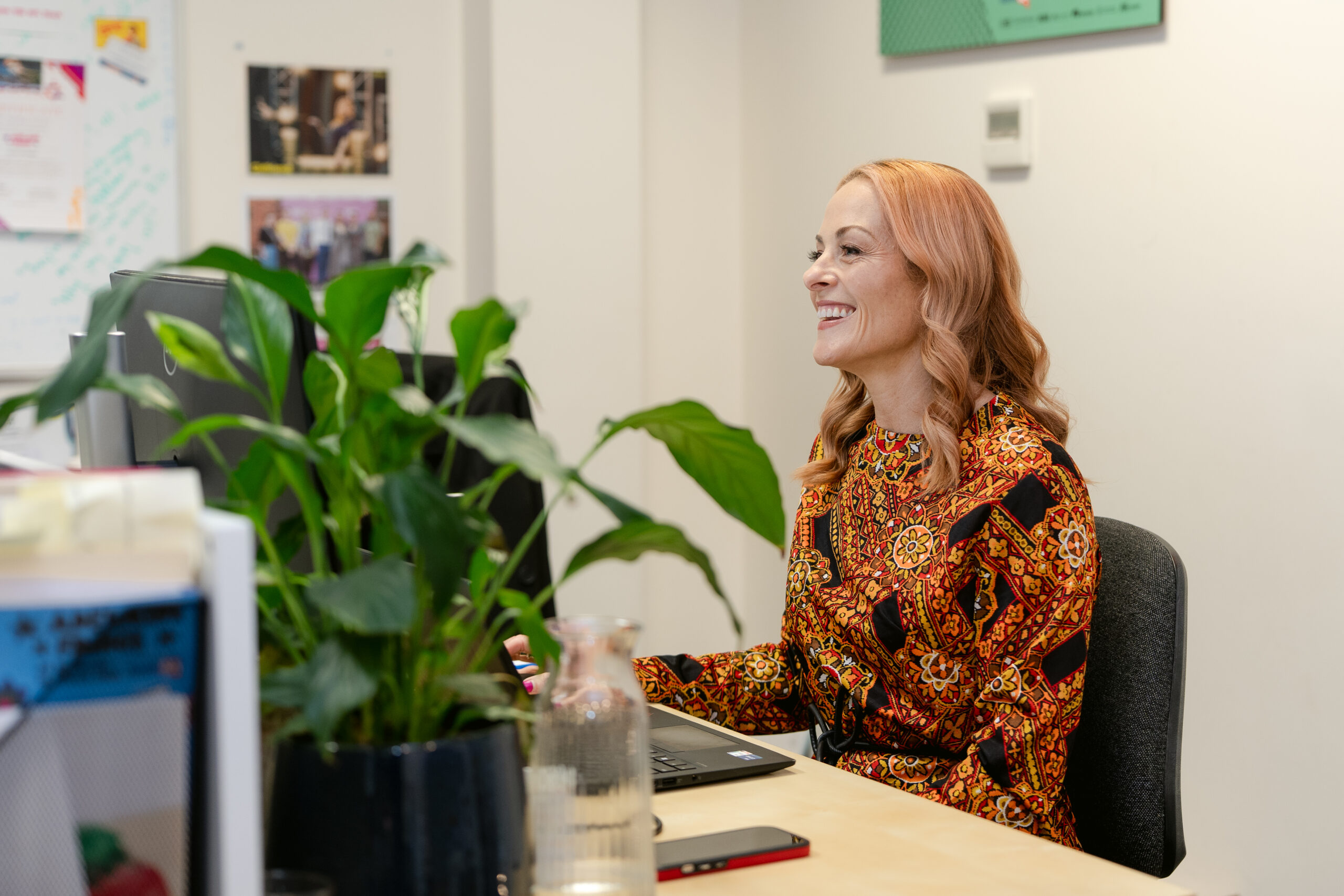
A key message from the video is that change begins with conversation. Tara challenges organisations
to take that first step: “My challenge is to people is to actually start having the conversation, start talking
to people, look at the neurodivergent resources and tools that are there.” She continues, “It creates that
difference and that ability to understand society, because we are so different and that is the beauty of
society”.
This commitment is reflected in the organisation’s culture, with Tara sharing, “We do embrace it here at
Adelaide Fringe”.
For the HR team, the process has not only introduced new tools, but new ways of thinking. Courtney
shares that “I dont think weve ever had anything like this that has really broken it down for us and given
us a perspective from a neurodivergent staff member”, highlighting the value of lived experience in
shaping inclusive practice. She also notes how this has influenced their approach to recruitment: “I also
really enjoyed learning about different interview techniques. I found that helpful to think outside the box of how you could potentially run an interview”.
Some of the team’s favourite resources include the Adjustments and Accommodations tool, supporting
more inclusive recruitment and workplace practices.
This case study shows that embracing neurodiversity creates more vibrant workplaces. By starting
conversations, valuing different perspectives and embedding practical tools, organisations can create
workplaces where everyone can thrive.
Watch the full video to hear directly from the Adelaide Fringe team about they embrace
neurodivergence in the workplace.