Think Autism Melbourne 2026 - Lead up to Autistic Pride Day - Neuro-inclusive Recruiting

Think Autism Melbourne 2026 – Lead up to Autistic Pride Day


Think Autism Melbourne 2026 – Lead up to Autistic Pride Day

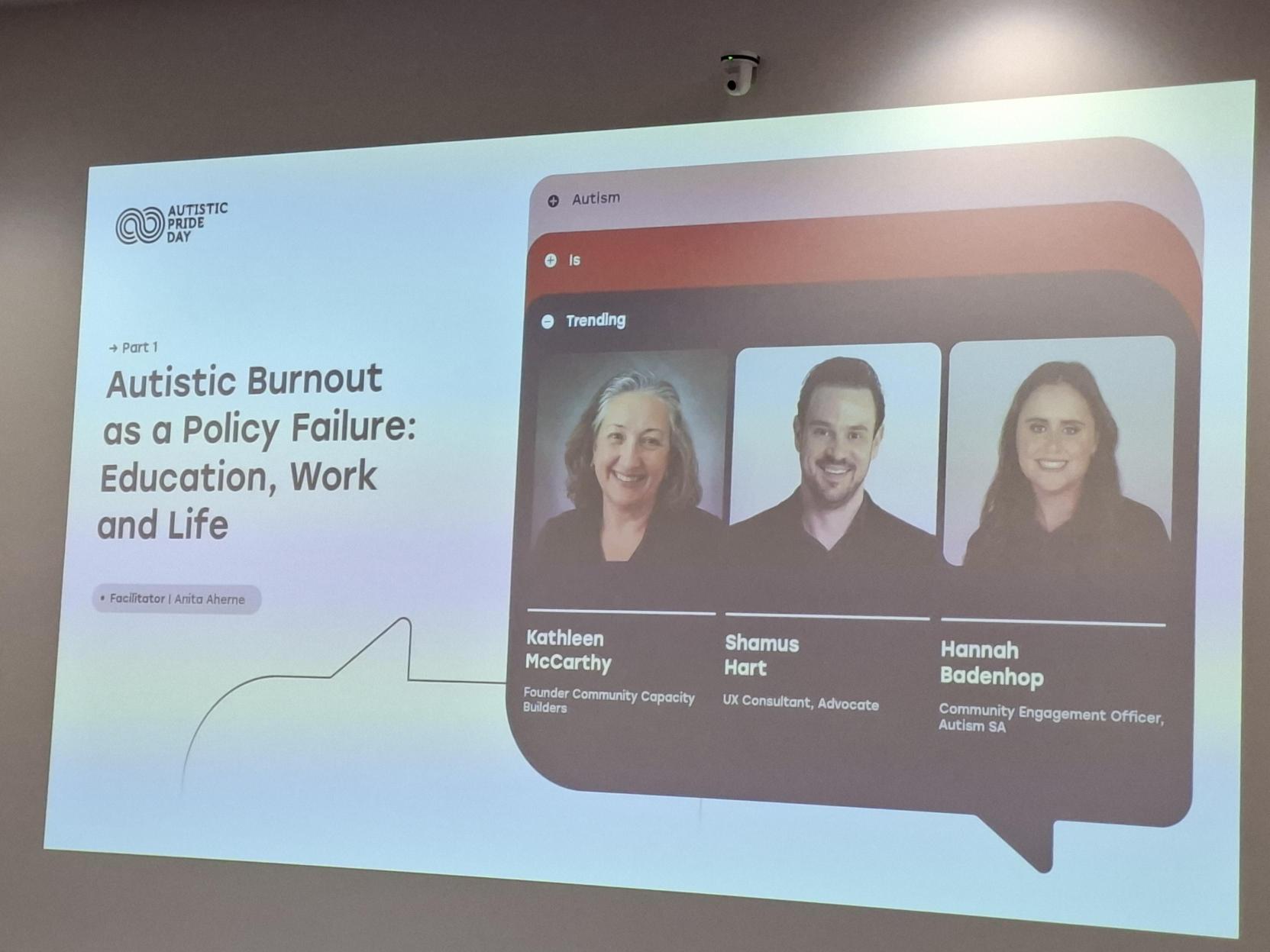
Autism SA contributed to a panel at Think Autism Melbourne 2026, held at ACU Fitzroy.The conference brought together Autistic researchers, practitioners, and entrepreneurs to share lived experience across education, mental health, and employment. It provided an opportunity to hear lived experience insights and discuss ideas in the space.
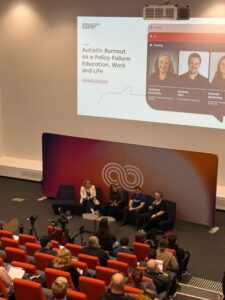
 

Image source: Autistic Pride Day


Hannah, Community Engagement Officer at Autism SA, presented on the Autistic Burnout panel. The discussion highlighted the need for education and tools for employers to support autistic employees and create neuro-inclusive workplaces.

Think Autism is an annual event that brings together Autistic professionals, advocates, researchers, and community members. It includes panels, workshops, and discussion.
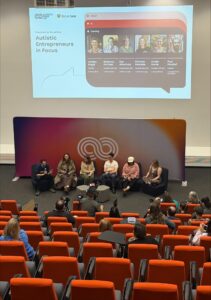
Image source: Autistic Pride Day


All sessions are recorded and shared publicly on Autistic Pride Day (18 June).

Autistic Pride Day has been recognised globally since 2005.

To learn more about Autistic Pride Day and to get involved visit the Autistic Pride Day website: https://autisticprideday.org/

Building neuro-inclusive workplaces requires practical changes, not just awareness. Explore Neuro-inclusive Recruiting to access tools and guidance that can support your neuro-inclusion journey.

Neuro-Inclusive Recruiting

Other blog articles

prev prev
next next
Case study: Platform usability supports organisational implementation

Case study: Platform usability supports organisational implementation

As most neurodivergent people know, or have discovered through sometimes negative experience, society is full of hidden rules. Things that everyone else seems to know, but which no-one ever explains or states clearly. A lot of the difficulties the neurodiverse experience come from tripping over these hidden rules.

Read more
Independent Evaluation Findings

Independent Evaluation Findings

As most neurodivergent people know, or have discovered through sometimes negative experience, society is full of hidden rules. Things that everyone else seems to know, but which no-one ever explains or states clearly. A lot of the difficulties the neurodiverse experience come from tripping over these hidden rules.

Read more
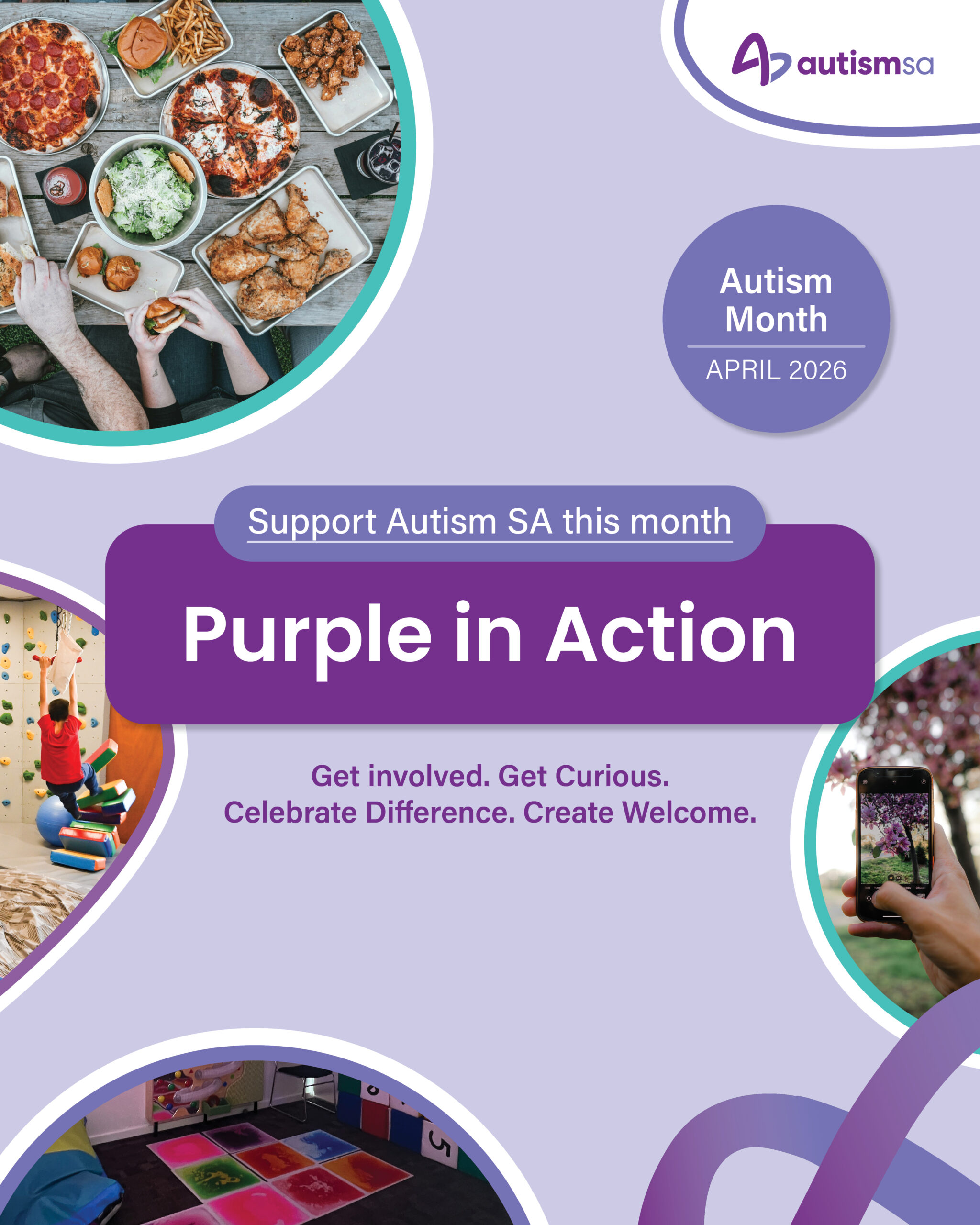
Purple in Action: Celebrate Autism Month this April

Purple in Action: Celebrate Autism Month this April

As most neurodivergent people know, or have discovered through sometimes negative experience, society is full of hidden rules. Things that everyone else seems to know, but which no-one ever explains or states clearly. A lot of the difficulties the neurodiverse experience come from tripping over these hidden rules.

Read more
Opportunity for Employers and Businesses – Share Your Story!

Opportunity for Employers and Businesses – Share Your Story!

As most neurodivergent people know, or have discovered through sometimes negative experience, society is full of hidden rules. Things that everyone else seems to know, but which no-one ever explains or states clearly. A lot of the difficulties the neurodiverse experience come from tripping over these hidden rules.

Read more
October is Dyslexia Awareness Month 

October is Dyslexia Awareness Month 

As most neurodivergent people know, or have discovered through sometimes negative experience, society is full of hidden rules. Things that everyone else seems to know, but which no-one ever explains or states clearly. A lot of the difficulties the neurodiverse experience come from tripping over these hidden rules.

Read more
Rethinking Recruitment

Rethinking Recruitment

As most neurodivergent people know, or have discovered through sometimes negative experience, society is full of hidden rules. Things that everyone else seems to know, but which no-one ever explains or states clearly. A lot of the difficulties the neurodiverse experience come from tripping over these hidden rules.

Read more

“As an employer I believe and have seen that supporting neurodiversity isn’t just about being inclusive, it’s good for business. It attracts a wider talent pool, boosts innovation, improves employee well-being, and reduces costs. In short, it strengthens your employer brand and builds a successful work environment.”

“As a small business we create policies and procedures collaboratively with staff, making sure that the policies are designed for them by them”.

“When you’re in an inclusive workplace people identify and understand the strengths you bring and accommodate work to focus on your strength areas”

“In an inclusive workplace neurodivergent employees should feel that they are understood by staff.”

“Inclusive onboarding for me really enhanced the comfort. Your first day can be really scary as you don’t know what to do, who to meet. At one place started at they told me what the plan was, who I was to meet and gave me clear instructions of where to go which helped me have a plan until the person who was collecting me arrived which made the whole thing a little bit less stressful.”

“I found work tours really helpful when they are part of the interview. It helped me sell myself during the interview as you can look at the types of equipment you will be using and get a better idea of what they want from you and the employer gets to see how you react to the environment”

“Feeling understood by my manager meant that I felt valued by the workplace, and that my unique perspective was valuable. When managers have understood me and my strengths, I have definitely felt more motivated to do my best for the business or company as a result.”

“I’ve noticed that in workplaces I’ve been in positive changes have been really successful when they come from the top down.”

“In the business I work in, to show job seekers that we are inclusive we have inclusivity statements on our website and our job ads. We also offer adjustments and accommodations as part of the recruitment process”

“The advice that I would give to businesses wanting to be inclusive is you have to start somewhere, even with something small. Be open to new ways of thinking and get input from staff to start making inclusive changes. Get it going, get it moving and let’s start doing something.”

“Your workforce needs to reflect your customer base. It really allows your customer base to feel more welcome and like they belong. I have found also that diversity of thought, skills background and knowledge also reduces bias and group think within an organisation, that’s one of the key things I have found”.

‘In an organisational setting, inclusion is seen as a means to improve performance and employee satisfaction. It improves employee loyalty, creative problem solving and teamwork.

“In my previous role I did not disclose this information because I was already having difficulties with colleagues. In my current role I have disclosed to team members I am comfortable with.”

Autism SA completed a National Survey in 2023, where 72 neurodivergent people were asked if they had disclosed during the recruitment process or in a workplace. 33% shared that they had not disclosed, 40% said that they had disclosed their diagnosis, while 26% partly disclosed.

“I love sharing my experience of being on the spectrum with people. It’s all about awareness”

“The number one thing that neurodivergent jobseekers look for when determining if an organisation is inclusive, is inclusive statements and language”

“Inclusive workplaces enhance teamwork and collaboration by valuing diverse contributions and perspectives.”

“Neurodiverse workplaces better reflect and understand the needs and preferences of diverse groups of people. This helps to expand the market and customer base and provide a wider range of products and services.”

“A diverse workforce is able to tackle a wide range of work challenges, thereby increasing overall efficiency and productivity.”

“This diversity can promote innovation and creativity, as different ways of thinking can lead to different perspectives and approaches to problem solving.”

“As an autistic employee, feeling valued motivates me to do my best”

“Inclusive recruitment has allowed us to build a diverse talent pipeline, ensuring our organisation’s long-term success.”