

How Australian Spatial Analytics (ASA) have embraced neuro-inclusion
Australian Spatial Analytics (ASA) is a work-integrated, not-for-profit social enterprise dedicated to creating meaningful ‘big data’ careers for young neurodivergent adults across Australia, specifically in the geospatial and digital engineering professions. They serve as a starting point for early careers in data, helping analysts build skills and progress through clear internal and external career pathways. Since 2020, ASA has empowered more than 230 people.
With a workforce made up of over 80% neurodivergent employees, ASA recognises the strengths neurodivergent people bring, such as attention to detail, pattern recognition, and intense focus, and how valuable these skills are in technical and analytical work.

Neuro-inclusive Recruiting resources in practice
Geoff Smith, Chief Executive Officer of ASA, explains how the Neuro-Inclusive Recruiting resources have been embedded into their processes. He shares that “The Accommodations and Adjustments Template helps us facilitate conversations about workplace accommodations and adjustments, plus documents an employee’s specific needs. This then enables us to implement accommodations effectively, supporting long-term success.”
ASA has also made use of several other resources, including the Face-to-Face Interview Guide, the Role Play Scenarios guide, “which is great for training and coaching”, and the Ongoing Support Guide, because, as Geoff highlights, “support doesn’t end at recruitment.”
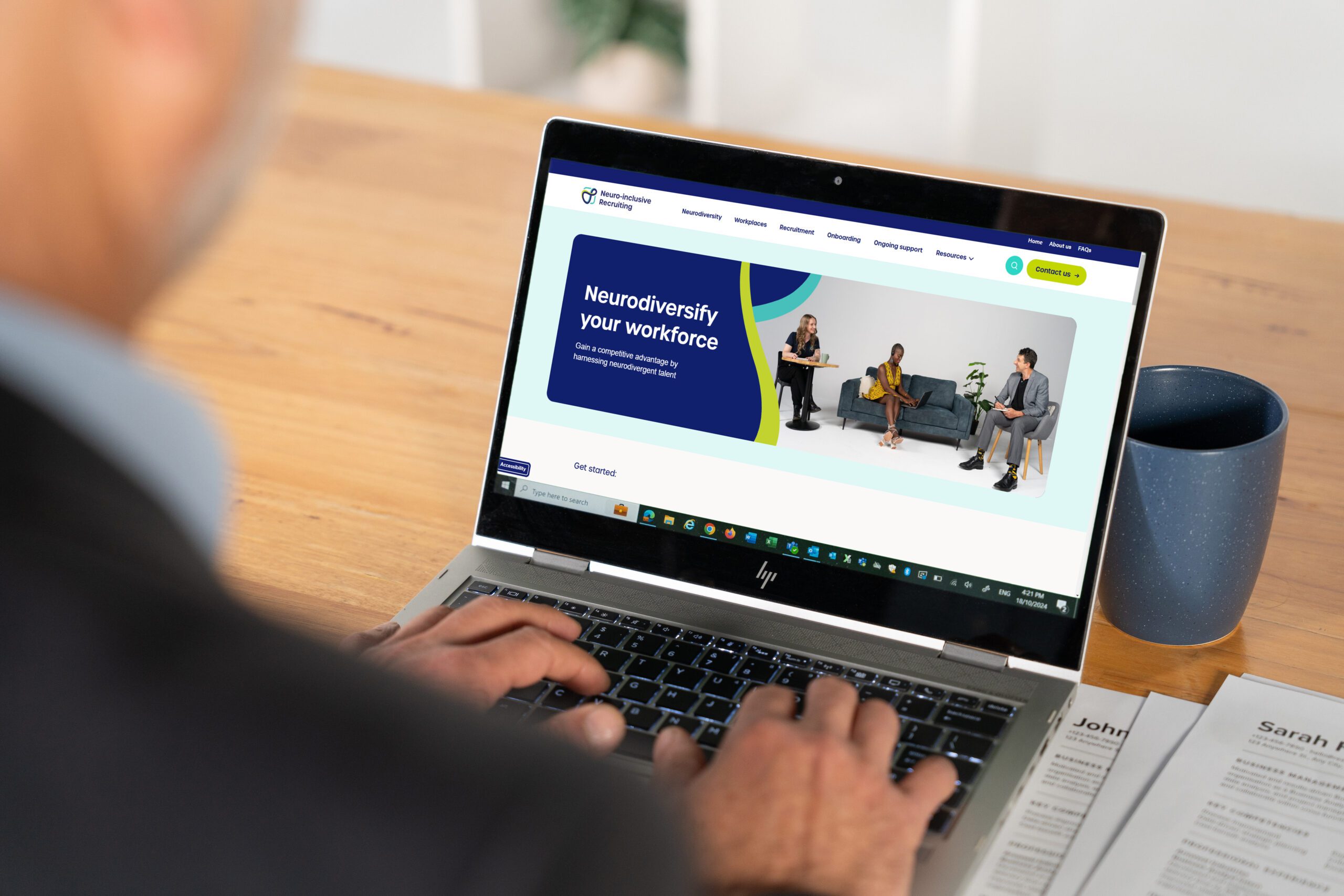
Geoff describes the website more broadly as “a comprehensive ‘one-stop shop’ for anyone who is interested in neuro-inclusive recruitment”. ASA often recommends these tools to other organisations and encourages them to begin with the “Neuro-inclusive Workplace Self Assessment Tool and the Accommodations and Adjustments Template as a starting point, so they can commence their neuro-inclusion journey.”
ASA has created a neurodivergent-friendly environment that supports people from the moment they engage with a job advertisement through to their next career move. Their recruitment processes look beyond conventional criteria, assessing candidates based on transferable skills, hobbies, and interests, rather than solely on formal qualifications or past experience.
Creating a neuro-inclusive workplace
ASA recognises the powerful benefits of a neuro-inclusive culture. As they explain, “A neuro-inclusive workplace, by default, promotes diversity of thought, yielding significant benefits that improve overall business performance and culture. Having diverse thinking styles leads to more creative solutions and a broader range of perspectives when tackling complex business challenges.”
They also emphasise that accommodations don’t need to be costly. Geoff shares, “Based on our experience, creating a supportive and highly productive environment requires only minor accommodations. Simple adjustments, such as flexible start and finish times, predictable routines, the option for hybrid work to reduce commuting stress, adjustable lighting, noise-cancelling headphones, and direct communication, make a big difference not only for neurodivergent people but for everyone.”
For organisations unsure about how to begin, ASA encourages a simple first step. Geoff explains, “Often organisations would like to engage with the neurodivergent community, but don’t know where to start. We advise them that it’s not hard to do. Our best tip for any organisation is, ‘just ask’.”
As a neuro-inclusive workplace, ASA hopes their story shows how embracing neurodiversity can strengthen workplaces, improve lives, and help build a more inclusive and prosperous future for everyone.